Slough’s licensing rules and your tax bill
What a Mandatory or selective HMO licence costs in Slough, and which bits HMRC lets you deduct against rental income.
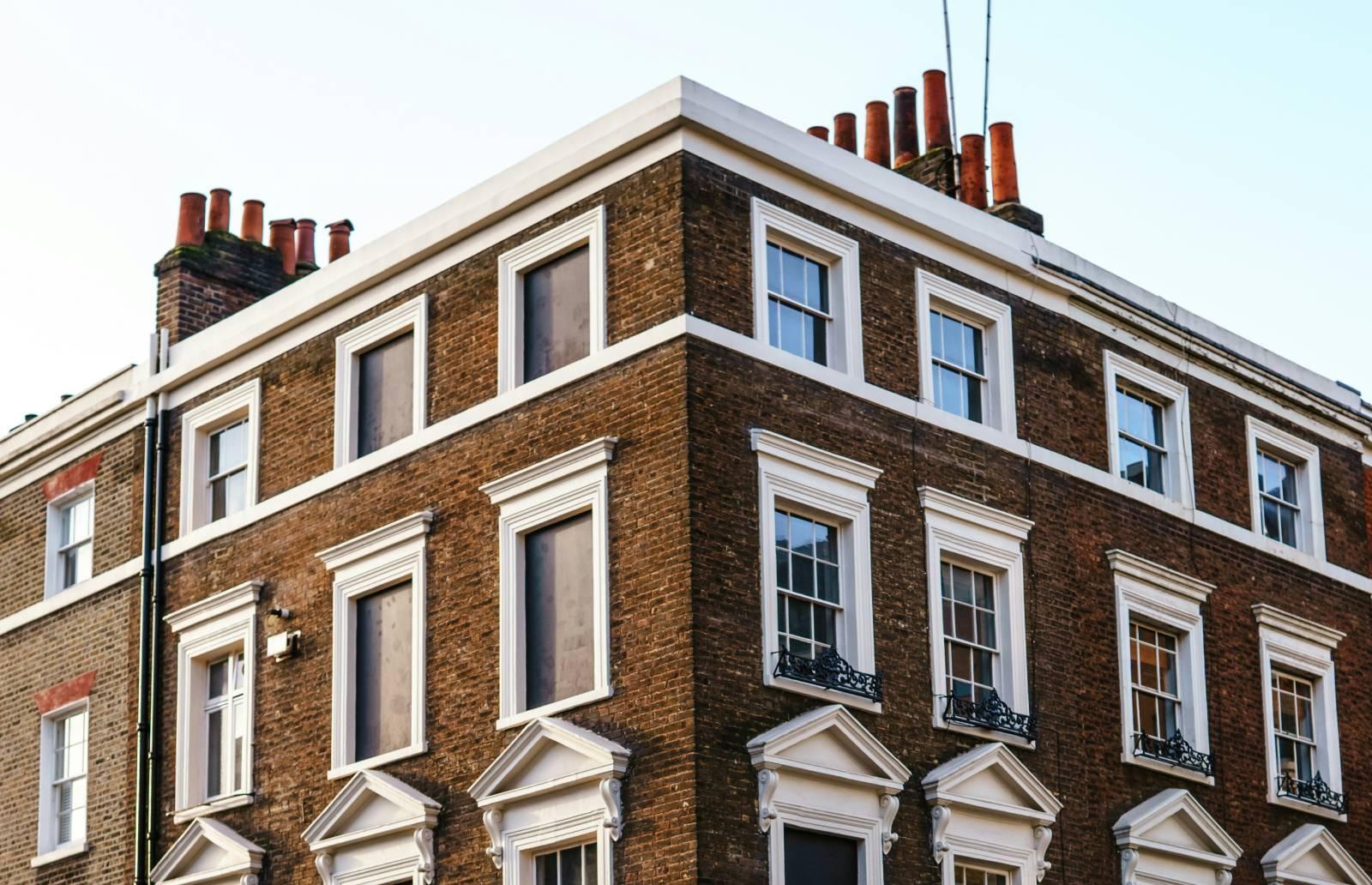
The Slough picture
Slough Borough Council operates both Mandatory HMO licensing (under the Housing Act 2004 for properties with five or more sharers from two or more households) and selective licensing in defined wards. The selective scheme covers Chalvey, Central, Britwell, and parts of Northborough, with licence fees of around £1,250 over the five-year period and conditions that include fire safety, gas and electrical certification, and minimum room sizes.
The licensing fee itself
The licence fee is deductible against rental income, spread over the licence period. For the typical five-year selective licence at £1,250, that is £250 a year of allowable deduction. The same logic applies to the Mandatory HMO licence fee, which currently runs around £1,400–£1,600 in Slough.
Application costs (your time, professional advice obtained as part of applying) are generally also deductible if they relate to the day-to-day running of the property business. New-build first-licence fees can be more contentious — they sometimes get treated as part of the cost of acquiring the property rather than running it. The split is rarely material but worth the few minutes to get right.
The works to meet conditions
This is where most of the money lives, and where landlords most often get the tax treatment wrong. Works to meet licensing conditions split between revenue and capital depending on whether they restore or improve.
- Fire alarms upgraded to current standard but in the same locations: typically revenue (deductible).
- New fire doors replacing existing fire doors: typically revenue.
- Adding a fire alarm system where none existed: typically capital (added to base cost for CGT).
- Reconfiguring rooms to meet minimum size requirements: typically capital, since the property layout is being changed.
- Annual gas safety and electrical certification: revenue.
- Periodic electrical inspection (EICR) costs: revenue, even when triggered by licensing conditions.
The £200 PAT, the £15,000 rewire
A common Slough situation: the council’s licensing officer issues a schedule of works following an inspection. Some items are de minimis (a portable appliance test, a missing carbon monoxide detector). Others are substantial (rewiring the whole property to meet current Part P requirements). The line between revenue and capital does not depend on cost — it depends on whether the work restores or improves.
The classification matters at two points: now (current-year tax deduction) and later (CGT base cost on disposal). Missing a £15,000 capital classification at year one means losing £15,000 of base cost when you eventually sell, which costs you £3,600 at higher CGT rates.
How network firms handle it
When a Slough HMO landlord onboards with a network firm post-licence-renewal, the firm typically asks for the schedule of works, all invoices, and any council correspondence. Each line is reviewed and split between revenue and capital. The current-year tax return reflects revenue items; the capital register tracks the rest. This usually produces a tighter return than the previous year’s, and an evidence pack that holds up under HMRC review.